Dubai Real Estate Market 2026 Explained: Prices, Demand, and Investment Outlook
The Dubai real estate market has moved far beyond speculation-driven cycles. By 2026, Dubai stands as one of the most transparent, regulated, and globally attractive property markets.
Driven by population growth, foreign investment, strong regulations, and long-term economic vision, Dubai real estate is no longer about short-term flipping — it’s about sustainable value.
This article provides a fact-based, no-marketing-fluff breakdown of what’s really happening in Dubai’s property market and what buyers and investors should know.
1. Market Overview: A Mature and Regulated Property Market
Dubai’s real estate sector has entered a phase of maturity characterized by:
Strong government oversight (RERA & DLD)
High transaction transparency
Increased institutional and long-term investors
Reduced speculative risk compared to previous cycles
Unlike earlier booms, growth is now supported by real demand, not artificial inflation.
2. Property Prices in Dubai 2026: Steady, Not Explosive
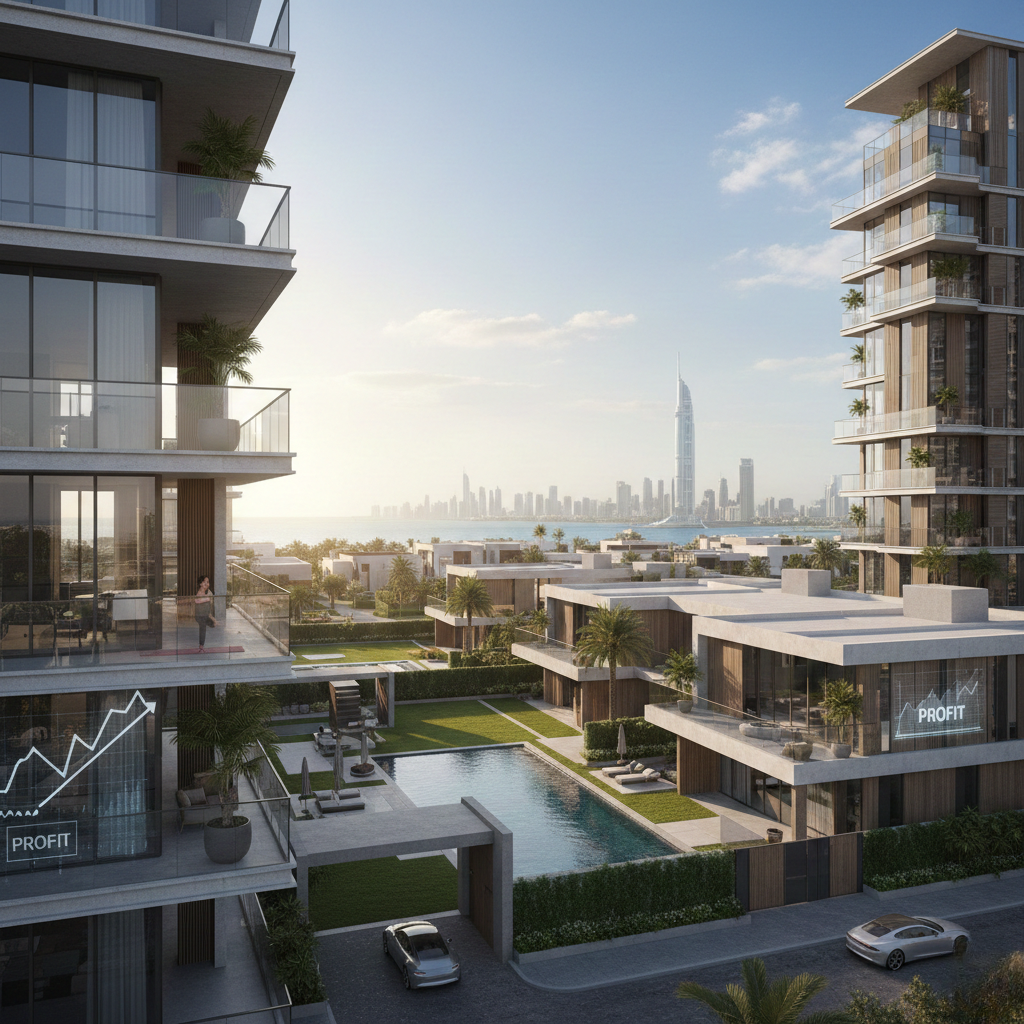
Price growth in 2026 is widely expected to remain moderate and healthy, rather than aggressive.
Price trends by segment:
Luxury & Prime Areas: steady growth driven by limited supply
Mid-market communities: stable appreciation supported by end-users
Affordable housing: price stability with strong rental demand
This balance protects the market from sharp corrections and supports long-term confidence.
3. Why Demand for Dubai Property Remains Strong
Several structural factors continue to push demand:
✔ Population Growth
Dubai’s population continues to grow due to:
Skilled professionals relocating for work
Entrepreneurs and remote workers
High-net-worth individuals seeking tax-efficient residency
✔ Residency & Visa Programs
Long-term residency options, including Golden Visa programs, directly encourage property ownership rather than short-term renting.
✔ Global Capital Inflow
Dubai benefits from:
Political and economic stability
Currency pegged to the US dollar
Investor-friendly regulations
4. Off-Plan Properties: Still a Key Investment Driver
Off-plan real estate remains a dominant force in Dubai due to:
Flexible post-handover payment plans
Lower entry prices compared to ready units
Strong developer regulation reducing risk
However, smart investors now prioritize:
Developer track record
Location fundamentals
Real end-user demand
Not all off-plan projects are equal — quality selection matters more than ever.
5. Villas vs Apartments: Where Is the Real Demand?
Villas & Townhouses
Strong demand from families and long-term residents
Limited supply in premium communities
Higher capital appreciation potential
Apartments
Preferred by investors targeting rental income
High demand in central and well-connected locations
Consistent occupancy rates
A diversified strategy often combines villas for appreciation and apartments for cash flow.
6. Rental Market & ROI in Dubai
Dubai continues to offer some of the strongest rental yields globally.
Average rental yield expectations:
Apartments: competitive and stable returns
Villas: slightly lower yield but stronger capital growth
Short-term rentals: high potential in prime locations
Rental demand is driven by:
Rising population
High number of professionals choosing to rent
Growth of short-term and holiday rentals
7. Luxury & Branded Residences: A Growing Segment
Dubai has become a global hub for:
Branded residences
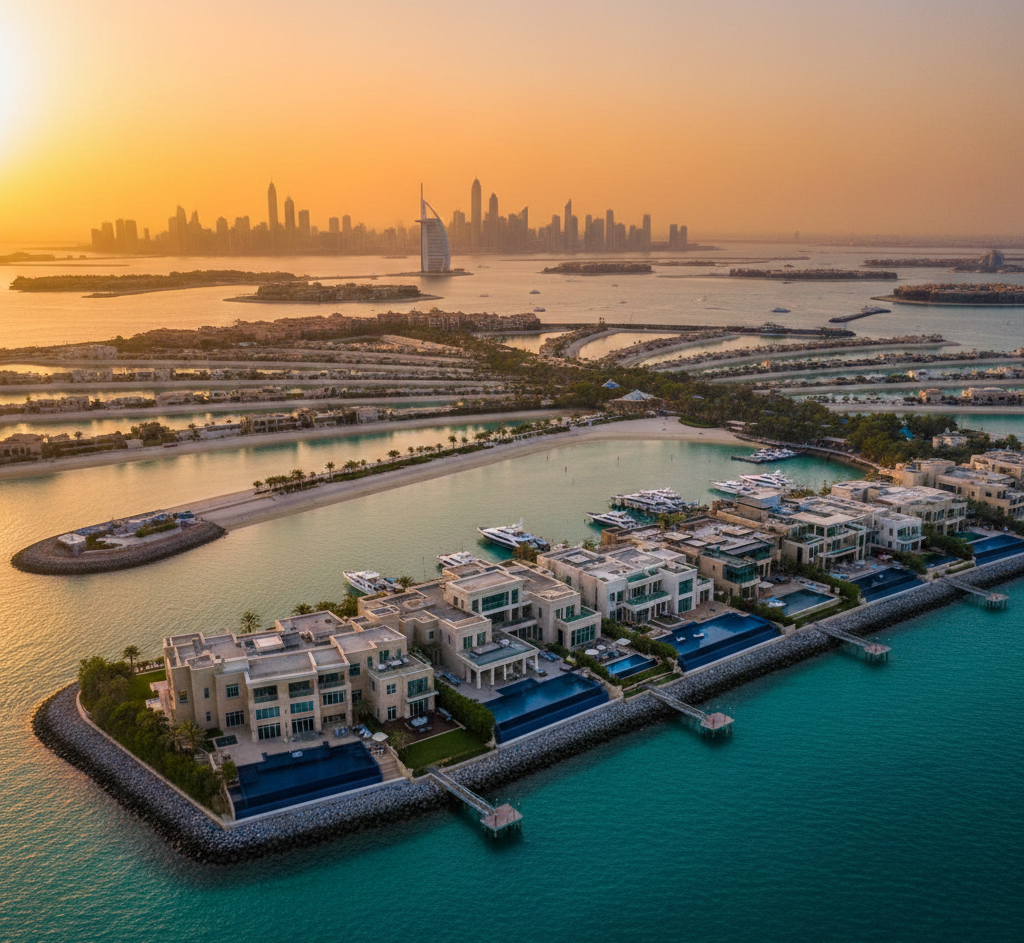
Ultra-luxury waterfront developments
High-end lifestyle communities
This segment attracts international buyers seeking:
Asset security
Brand-backed quality
Global resale appeal
Luxury demand in Dubai is increasingly end-user driven, not speculative.
8. Risk Factors Investors Should Understand
While Dubai is strong, smart investors remain aware of:
Project delays from weaker developers
Overpricing in non-prime locations
Market cycles tied to global economics
The key difference today: regulation minimizes systemic risk, protecting buyers far more than in the past.
9. Is 2026 a Good Time to Buy Property in Dubai?
For buyers focused on:
Long-term holding
Rental income
Lifestyle ownership
Capital preservation
The answer remains yes — with the right strategy.
Timing matters less than asset quality, location, and developer credibility.
Conclusion: Dubai Real Estate Is Built for the Long Game
Dubai real estate in 2026 is no longer a speculative playground — it is a global investment destination.
With strong fundamentals, controlled supply, and continuous demand, the market rewards:
Patience
Research
Strategic buying
For investors and homebuyers alike, Dubai remains one of the safest and most attractive real estate markets worldwide.